HOW TO AVOID ILLEGAL CHARTER FLIGHTS


Peak-season private jet travel should feel straightforward. But the busiest travel periods are often when illegal charter offers become hardest to spot.
Many private jet users fall into the same trap. The website looks polished. The quote arrives quickly. The aircraft appears legitimate. What many passengers do not see is whether the operator is legally authorized, properly insured, and exercising the operational control required for a commercial flight. Learning how to avoid illegal charter flights is important when it comes to private jet safety.
Former FAA Aviation Safety Inspector and Jet Linx Base Chief Pilot John Garcia puts it simply, “If someone is selling air transportation without true Part 135 authority, passengers may be stepping into a safety and liability problem long before the aircraft leaves the ground.”

WHAT ILLEGAL CHARTER MEANS IN PRIVATE AVIATION
At the center of the issue is a distinction many travelers never have reason to learn. Part 91 flights are private operations. They are generally used for personal or company flying, but they are not authorized to sell charter transportation to the public. Part 135 flights are commercial operations, which means they are held to different standards around pilot training, maintenance, crew duty, record-keeping, and operational oversight.
Illegal charter happens when someone sells transportation that should be operated under Part 135 rules but attempts to structure the trip as something else in order to avoid the cost and scrutiny of proper certification.
WHY ILLEGAL CHARTER IS MORE THAN A PAPERWORK ISSUE
Illegal charter is not just a technical compliance problem. It can affect crew qualifications, maintenance discipline, insurance coverage, and what happens when weather, mechanical issues, or scheduling disruptions hit the trip.
Operators who cut corners on certification often cut corners elsewhere, too. That can mean weak backup planning, vague contracts, insufficient oversight, or passengers discovering after the fact that commercial insurance does not apply the way they assumed it would.
FOUR RED FLAGS TO CHECK BEFORE YOU BOOK
Before booking any private jet charter, verify the basics.
- Ask for the operator’s full legal name and active Part 135 certificate information
- Confirm who holds operational control of the flight and review the documentation behind it
- Look for respected third-party safety accreditations such as ARGUS Platinum Elite, WYVERN Wingman PRO, and IS-BAO Stage 3
- Be cautious if pricing is dramatically below the market or the explanation around fees, fuel, de-icing, or contract structure feels vague
A legitimate operator will not resist these questions. In most cases, the willingness to answer them clearly tells you a great deal about the seriousness of the operation.
HOW TO AVOID ILLEGAL CHARTER FLIGHTS
The safest approach is to verify more than the aircraft tail number or the sales contact. Ask for the operating company’s certificate details, request the applicable operating specifications, and confirm that the certificated operator – not the passenger – holds operational control.
FAA verification tools can change over time, so if anything is unclear, request the documentation directly from the operator and confirm status through the FAA or the local Flight Standards District Office. A trustworthy operator should be ready for that level of due diligence.

WHAT A SAFE, CERTIFIED PRIVATE JET OPERATOR LOOKS LIKE
A reliable private jet operator makes safety visible rather than mysterious. Every Jet Linx flight is operated under FAA Part 135 rules and backed by the highest ratings from ARGUS, WYVERN, and IS-BAO – a combination held by fewer than one percent of operators globally.
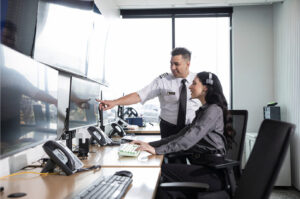
Behind every Jet Linx trip is a Global Safety & Operations Center that supports crews with real-time flight tracking, weather monitoring, and operational coordination. Pilots complete recurrent simulator-based training that exceeds minimum regulatory requirements. Those systems matter most when conditions change and the trip needs more than a sales promise.
CHOOSE CERTAINTY OVER A CHEAP QUOTE
When you book a private jet, you are not only buying a seat on an aircraft. You are buying oversight, accountability, and a chain of decision-making that protects everyone on board.
If an offer feels too easy, too vague, or too cheap, slow the process down and verify what sits behind it. Private aviation should deliver confidence along with convenience. Contact Jet Linx to learn more about certified private aviation backed by visible safety standards.
ILLEGAL CHARTER FAQS
What is an illegal charter flight?
An illegal charter flight is a flight offered for compensation or hire without being operated under the certification and rules required for legal commercial charter service.
What is the difference between Part 91 and Part 135?
Part 91 generally governs private, noncommercial flying, while Part 135 governs commercial charter operations with stricter rules around pilots, maintenance, oversight, and operational control.
What is operational control in private aviation?
Operational control is the authority and responsibility for initiating, conducting, and terminating a flight. In a legal charter operation, that responsibility belongs to the certificated operator.
How do I verify a charter operator?
Ask for the operator’s legal name, certificate details, and supporting documentation, then verify that information through current FAA resources or the local Flight Standards District Office if needed.
Why do third-party safety ratings matter?
They provide an additional layer of scrutiny beyond minimum regulatory compliance by evaluating training, maintenance, documentation, and operational maturity.
Can passengers face risk beyond safety concerns on an illegal charter?
Yes. Illegal charter can create liability and insurance problems, especially if an accident, operational disruption, or regulatory issue occurs.