JOINT AIRCRAFT OWNERSHIP: A SMARTER WAY TO OWN A PRIVATE JET


Joint Aircraft Ownership and Aircraft Co-Ownership Explained
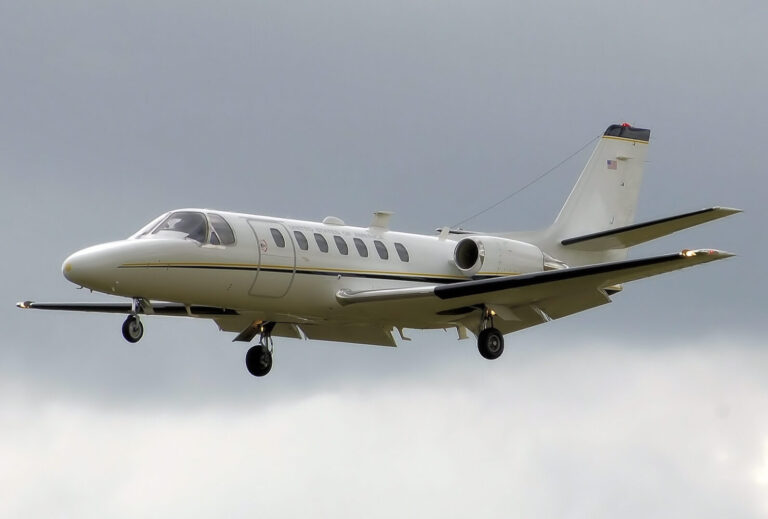
For the right aircraft owners, ownership does not have to mean doing everything alone. Joint aircraft ownership offers a more flexible path, allowing two parties to share an aircraft, divide operating costs, and enjoy many of the benefits of ownership without carrying the full burden alone.
Jet Linx approaches this model with the same care and discipline that define our broader aircraft management platform. The result is a professionally managed ownership structure designed to reduce friction, preserve access, and support a more personal private aviation experience.

What Joint Aircraft Ownership Means
Joint aircraft ownership is a shared ownership arrangement in which two registered owners each hold an interest in the aircraft and share certain costs and responsibilities according to a formal ownership agreement. Unlike informal partnerships, a managed structure can create clearer expectations and a more stable ownership experience.
In practical terms, this means the owners pay for the aircraft together, share fixed operating costs, and use a professionally defined framework for scheduling, maintenance, and usage. When done well, the arrangement can feel more like an ownership solution and less like a compromise.
“This concept offers a simple but powerful platform to own an aircraft,” said Jamie Walker, Executive Chairman at Jet Linx. “Lowering many of the traditional barriers that prevent people from sole aircraft ownership. There’s a broad but distinct audience that this kind of partnership can benefit. The problem is that very few operators currently offer a product like this.”
Why Do Aircraft Owners Consider Joint Ownership?
The appeal of joint aircraft ownership is straightforward. It can reduce the cost of ownership, lower the net capital commitment, and make private aviation more accessible for buyers who want the consistency of an owned aircraft without taking on the full expense of sole ownership.
This model is often attractive to aircraft owners who:
-
Want more control than charter or Jet Card access.
-
Need more consistency than fractional ownership.
-
Prefer to divide fixed costs with another owner.
-
Are looking for a structured way to move into ownership at a lower net cost.
For many, the attraction is not just economics. It is the feeling of ownership itself — familiarity, continuity, and control over the aircraft experience.
How Jet Linx Manages the Structure
What makes Jet Linx different is not simply that we offer joint aircraft ownership. It is that the program is professionally managed, which helps remove the uncertainty that often comes with shared ownership.
Jet Linx acts as a trusted third party between owners, helping coordinate scheduling, maintenance, crewing, accounting, and other operational details. That structure is designed to reduce misunderstandings and keep the partnership focused on flying rather than friction.

Economics of Shared Ownership
One of the strongest benefits of aircraft co-ownership is cost efficiency. By splitting acquisition and fixed costs, owners can reduce the financial strain of owning an aircraft while still preserving many of the benefits of having one available for their own use.
Jet Linx also brings additional value by leveraging its managed fleet scale. That can support better pricing on fuel, maintenance, insurance, and related services. In some cases, the aircraft can also generate charter revenue when it is available, helping offset ownership expenses.
Cost advantages can include:
-
Shared acquisition cost.
-
Shared fixed operating costs.
-
Lower net cost of ownership.
-
Potential revenue offset through charter use.
-
More efficient use of the aircraft over time.
For owners evaluating aircraft co-ownership, this combination of cost sharing and professional support can create a more sustainable path to ownership.
Who Joint Ownership Fits Best
Jet Linx’s joint ownership model is especially relevant for aircraft owners who fly in a middle range of annual hours and want the feel of sole ownership without the full expense. It may also appeal to buyers who are upgrading aircraft, stepping into ownership for the first time, or looking for a more strategic way to share costs.
It can be a strong fit for:
-
Current owners who want to reduce their ownership burden.
-
First-time buyers who want to test ownership with a trusted partner.
-
Flyers who want more control than fractional ownership.
-
Jet Card or charter clients who now want more consistency.
The key is alignment. The best ownership arrangement is one where both parties share similar mission profiles, expectations, and standards for service and safety.
“Joint aircraft ownership can work well for a range of people or businesses that currently use fractional, jet card or charter. It’s also a good option for current aircraft owners that want to upgrade into a newer jet or a larger category without making a significant investment, as well as first-time owners that want to test the waters,” Walker stated. “However, sometimes a reason to share ownership can come from changes in lifestyle, changes in business or changes in our rapidly shifting economy.”
Why Structure Matters
Shared ownership works best when the agreement is clearly defined from the beginning. Without that structure, even a good aircraft and a good relationship can become complicated.
A strong ownership agreement should define:
-
Scheduling rights.
-
Maintenance responsibilities.
-
Cost allocation.
-
Use of the aircraft for charter or revenue offset.
-
Exit terms and buyout rights.
Jet Linx helps bring order to those details, which is one of the biggest reasons the program stands apart. It is not just about shared ownership. It is about managed shared ownership built for long-term stability.
Why Jet Linx Stands Apart
Jet Linx’s broader aircraft management program adds credibility to the joint ownership model. Owners are not left to navigate the partnership alone; they are supported by a team that already understands maintenance, operations, compliance, and service delivery at a high level.
That support matters because aircraft co-ownership is not simply a financial arrangement. It is an operational relationship that needs discipline, communication, and expertise. Jet Linx brings all three into the process.
The Jet Linx Advantage
For aircraft owners who want the benefits of ownership with a more practical cost structure, joint aircraft ownership can be an elegant solution. It offers access, control, and comfort, while keeping the economics more manageable.
With Jet Linx, the model becomes even more compelling. Professional oversight, thoughtful structure, and deep aircraft management experience help create a more polished ownership experience from the start.
For the right buyers, aircraft co-ownership is a smarter way to own without compromising your flight experience.
Contact us today to learn more about joint ownership and other services we offer.
Joint Ownership FAQ
What is joint aircraft ownership?
Joint aircraft ownership is a shared ownership arrangement where two registered owners split the costs and responsibilities of owning an aircraft under a formal agreement.
How is aircraft co-ownership different from charter or Jet Card access?
Aircraft co-ownership gives owners an equity interest in the aircraft, while charter and Jet Card access provide private aviation without ownership responsibility.
Why choose Jet Linx for joint ownership?
Jet Linx offers a professionally managed structure that supports scheduling, maintenance, crewing, and cost allocation, which helps reduce friction between owners.
Who is joint ownership best for?
It is often a good fit for aircraft owners who want the benefits of ownership at a lower net cost and who value consistency, control, and a managed partnership.