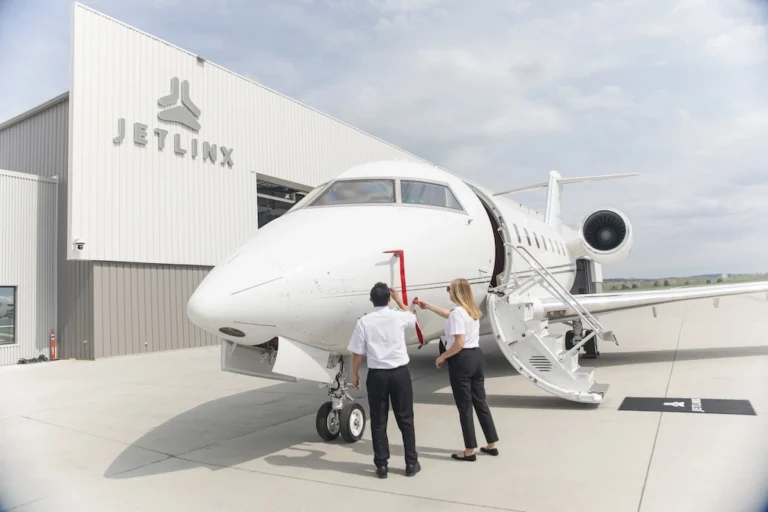
WINTER PRIVATE JET TRAVEL: WHY IT GETS COMPLICATED AND HOW JET LINX KEEPS IT SIMPLE
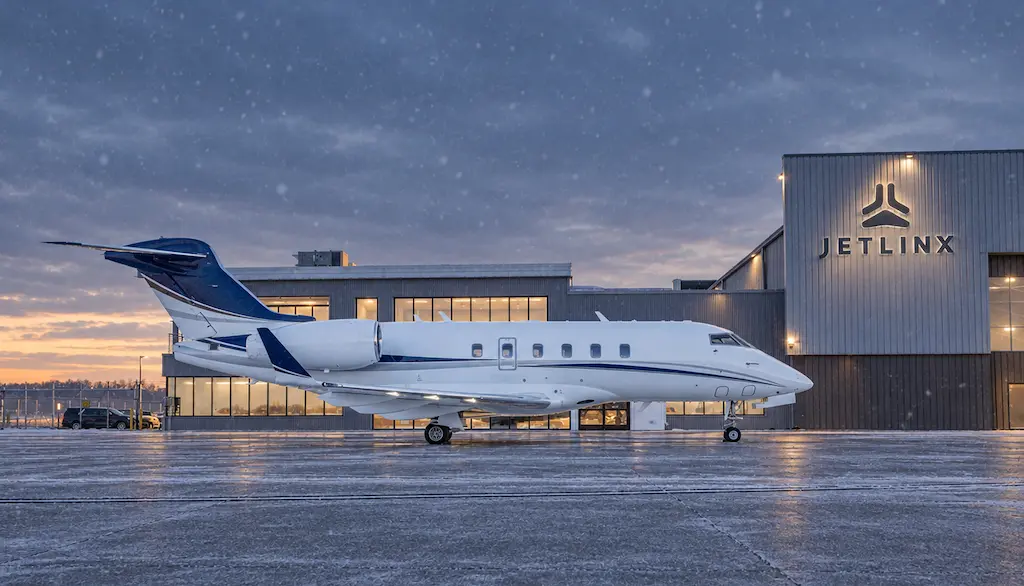

By Quinn Scahill, Senior Copywriter and Content Specialist | Last reviewed November 2026
A family’s winter ski trip nearly came apart when their operator called 12 hours before departure. The aircraft was down for maintenance, no backup was available, and other options were limited.
That experience points to a challenge that is easy to miss when booking a winter trip: the flight depends on more than the aircraft. Holiday travel, maintenance, crew schedules, airport conditions, and changing weather all come together at once. A forecast can shift. De-icing may be required. A runway or airport may temporarily restrict operations. Each change can affect the timing and options for the rest of the itinerary.
Winter weather is beyond any travel provider’s control. Preparation, communication, and a clear understanding of your options make it easier to navigate. This guide covers what winter private jet travel involves, how de-icing works, and how to plan ahead.
Why Winter Puts More Pressure on a Private Flight Plan
Winter brings together two sources of complexity: concentrated travel demand and weather that can change quickly.
Around holidays and school breaks, many travelers head to family gatherings, ski destinations, and second homes. Business schedules continue, too. When more trips converge around the same dates, aircraft and crews are committed earlier. That leaves less room to adjust a schedule at the last minute.
Weather adds another layer. Snow, freezing rain, frost, low temperatures, wind, and reduced visibility can affect how an aircraft is prepared and whether an airport can operate. Even if conditions are manageable at d
eparture, weather along the route or at the destination may call for a new plan. A flight may need a different departure time, route, or alternate airport.
A disruption rarely affects only one detail. A later departure can change a crew’s duty schedule, tighten a connection on the ground, or shorten your time at the destination. That is why winter planning has to account for the whole trip, from the drive to the airport to the arrival at the other end.
As Jason Vanis, Senior Vice President of Operations at Jet Linx, explains: “Winter exposes weaknesses quickly. If you don’t have the people, the planning, and the experience, small disruptions turn into major delays.”

What De-Icing Means for Private Jet Travelers
Aircraft de-icing removes frost, snow, and ice before takeoff. Planes need to be de-iced because even a small amount of ice on the wings or tail can change how the aircraft flies, adding drag and reducing lift. Trained crews and ground personnel follow established procedures for every treatment.
The FAA explains how ice affects an aircraft and why crews apply specially colored fluids to protect the wings and tail before takeoff, either where the aircraft is parked or at a designated de-icing location.
Not every cold-weather departure requires de-icing. The decision depends on the aircraft’s condition and the weather at the time. Passengers do not decide whether treatment is needed. The flight crew and operating team follow applicable procedures and make that safety call.
De-Icing vs. Anti-Icing
The two terms describe different steps. De-icing a plane removes ice, snow, or frost that has already built up. Anti-icing applies a fluid that helps keep new ice from forming while the aircraft waits on the ground. Depending on conditions, a departure may need one step or both.
Anti-icing protection lasts for a limited window called holdover time. That window depends on the fluid used and the weather at the moment. The FAA publishes holdover time guidelines each winter for four fluid types, labeled Type I through Type IV. If precipitation continues or the aircraft waits too long, the crew may need to treat it again.
How Long Does De-Icing Take?
There is no single number of minutes to add to every winter departure. Timing depends on the type and intensity of precipitation, the temperature, airport activity, and whether additional treatment or checks are needed. The aircraft may need to move to a treatment area, wait for available equipment, receive treatment, and complete required checks. At a busy airport, other aircraft may be waiting for the same ground resources.
For travelers, the practical effect is that the departure time may change. Ask what is causing a wait. Your aviation team should be able to tell you and say when to expect the next update.
Winter Airport Conditions Can Affect the Trip, Too
De-icing is only one part of winter operations. Snow removal, runway conditions, wind, visibility, airport traffic, and local operating restrictions can all affect when an aircraft can depart or arrive. During winter storms, the FAA can also use ground delays and reroutes to manage traffic. A plane can be ready while the airport is still working through a weather-related constraint.
Airport choice matters. Some airports have more winter resources or more room to handle a surge in traffic. The closest airport may be less practical if weather, congestion, or ground access makes the trip harder to complete. A provider may review alternate airports or adjust timing when the original plan becomes less workable.
Where the aircraft spends the night can matter too. An aircraft parked outside overnight may collect frost or snow that has to be removed before departure. Ask whether hangar space is part of the plan at your departure airport, keeping in mind that space can be limited during busy periods.
Ground transportation deserves attention as well. Snow and ice can slow the drive at either end of the flight, and a changed arrival time can affect a pickup, event, or meeting. Build the ground plan alongside the flight plan so the whole itinerary stays coordinated.
Planning Starts Before the Forecast Becomes Urgent
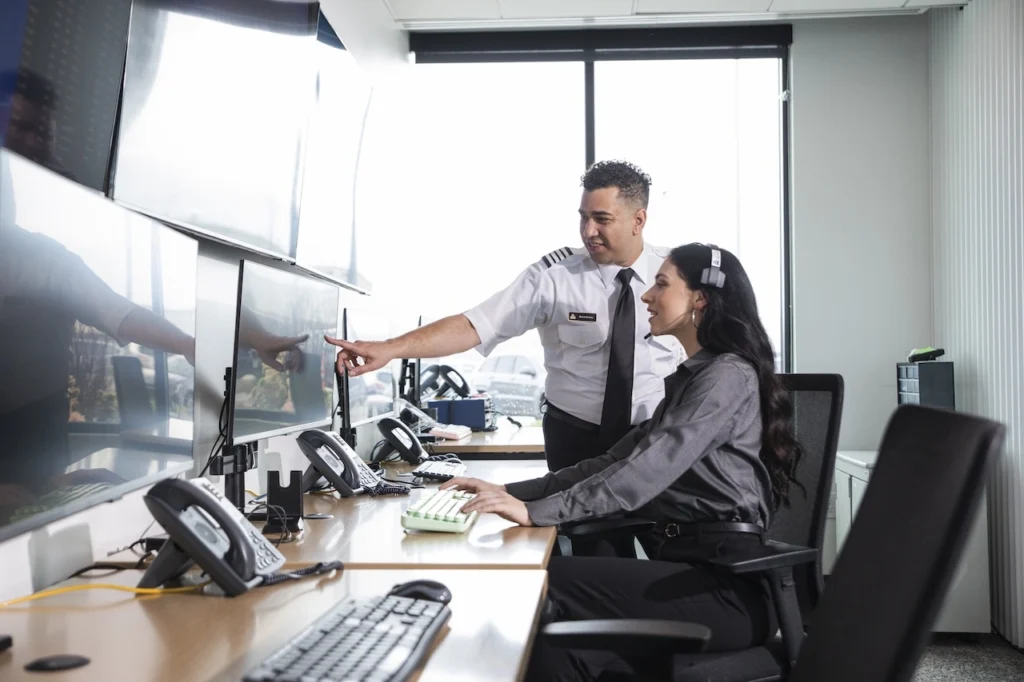
At Jet Linx, local Base teams work with clients on trip details, while our Global Safety & Operations Center (GSOC) monitors conditions across the network. Every flight receives a risk assessment based on weather, airport conditions, and operational factors. As a weather system develops, our teams can review forecasts, crew coverage, de-icing needs, and alternate plans together.
“Our local teams don’t wait for the weather to arrive,” Jason Vanis says. “They plan for it days in advance.”
Early planning creates time to weigh options and communicate changes before a departure window gets tight. It also keeps each part of the itinerary in view, including aircraft and crew schedules, airport conditions, and transportation at the destination. That time is useful when a forecast shifts.
On one winter trip, a Member needed to return home before a major Northeast snowstorm. After GSOC identified the approaching system, the team adjusted the departure time, coordinated a de-icing window, and arranged ground transportation at the destination. The family arrived home before the storm affected the trip.
“That’s the difference between reacting and planning,” Vanis says. “And winter always rewards planning.”
Why Access and Flexibility Matter During Peak Travel
When demand is high, travelers may have fewer alternatives if a trip needs to change. Under the program’s terms, Jet Card Membership offers guaranteed availability 24/7/365, fixed hourly rates, and no peak day surcharges. If you travel over the holidays, it helps to know how a jet card program handles peak days before you book.
Guaranteed aircraft availability and a guaranteed departure minute are two different commitments. Weather, airport conditions, and safety requirements may still call for a schedule change. A defined program tells you what access you have, so the operating team can focus on the decisions your specific trip needs.
Winter planning also means leaving room for uncertainty. A team may weigh crew duty limits, airport capacity, de-icing resources, and recovery options before recommending a change. When a change is needed, timely communication helps you understand what is changing, what remains on schedule, and what decisions are still ahead.

How to Prepare for Winter Private Jet Travel
Share the details that matter most as early as possible. That includes the reason for the trip, any fixed arrival commitments, the number of people traveling, and ground transportation plans. If a meeting or event has a firm start time, say so. Your team can use that information when evaluating departure windows and alternate options.
Ask how weather changes will be communicated. Find out who will contact you, how updates will be shared, and when to expect the next update if conditions are still developing. A clear communication plan reduces uncertainty even when the forecast is unsettled.
Before booking winter travel with any aviation provider, ask:
- Who monitors weather and flight conditions, and when?
- How are schedule changes and alternate plans communicated?
- What options are available if an aircraft or crew becomes unavailable?
- How are de-icing needs coordinated with the airport?
- How are de-icing charges handled, if they apply?
- How does the provider account for crew schedules and recovery options during peak periods?
- Which ground transportation arrangements should be revisited if arrival timing changes?
The answers show how a provider plans for disruption as well as how it handles a routine trip.
Winter Travel Is Complex. Your Plan Can Still Feel Clear.
Winter introduces more variables, and you should not have to navigate them alone. Local support, national operational coordination, and early communication help you understand what is changing, what remains on schedule, and what happens next.
The weather stays beyond anyone’s control. How a team prepares, communicates, and takes responsibility for the details shapes your experience.
If you are planning winter travel, see how Jet Card Membership works or contact Jet Linx to talk with your local team.
Because getting there matters. So does knowing who is responsible for every part of the trip.
FAQ
Does every private jet need de-icing in winter?
No. Cold temperatures alone do not mean an aircraft needs de-icing. The aircraft’s condition, the current weather, and applicable operating procedures determine whether treatment is required. If frost, snow, or ice is on the wings, tail, or other critical surfaces, the crew follows procedures to remove it before takeoff. The flight crew and operating team make that decision.
How long does it take to de-ice a plane?
No single time applies to every flight. The type of precipitation, the temperature, the treatment needed, airport queues, and required checks all affect the timeline. If conditions change, the crew may need to reassess or treat the aircraft again before departure. Ask your provider how it will share timing updates and what options are available if the schedule shifts.
Who pays for de-icing on a private flight?
It depends on the provider and the agreement. Some jet card contracts and charter quotes add de-icing as a separate charge, which can vary by aircraft, airport, and treatment. Ask before you book. Our guide to private jet pricing covers de-icing and other variable costs.
Can a Jet Card prevent a weather delay?
No access program can control winter weather or airport operations. A Jet Card gives you defined aircraft availability under its terms. It does not remove the need to follow safety procedures or guarantee a specific departure time when conditions change. Review the program terms and ask how schedule changes are handled.
Should I build extra time into a winter itinerary?
For a trip tied to a fixed meeting, celebration, or connection, talk through the timing with your aviation team early. Depending on the destination and forecast, the team may suggest an earlier departure, a different airport, or another adjustment. Keep ground transportation and arrival plans flexible where you can, and make sure your provider knows which parts of the schedule cannot move.