SAFETY IS NEVER A GIVEN: WHAT WE LEARNED AT THE TENTH ANNUAL JET LINX SAFETY SUMMIT
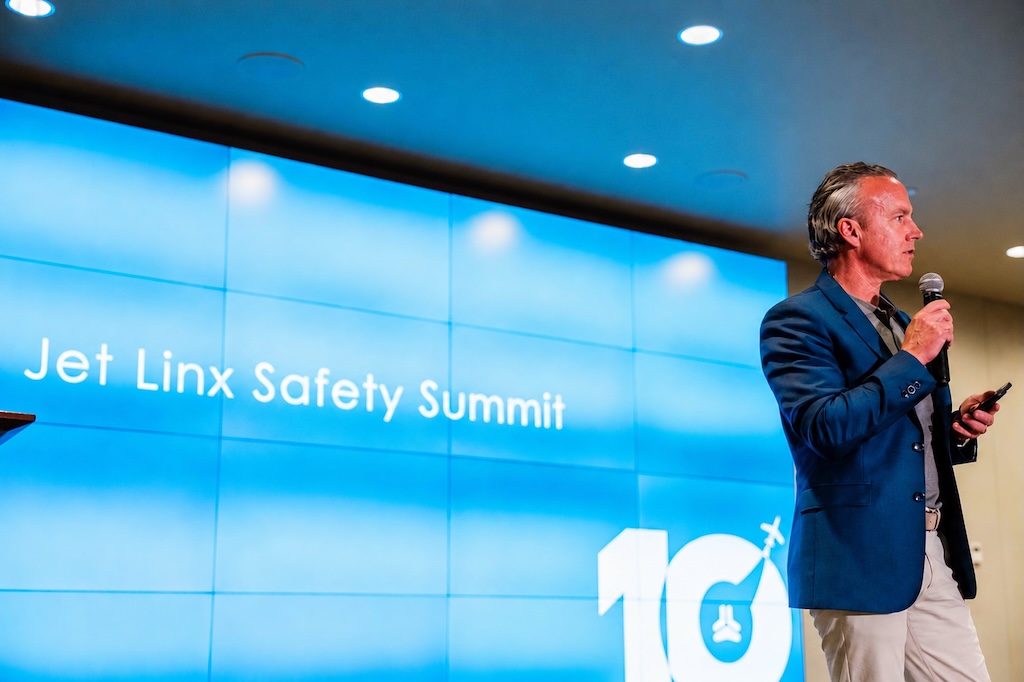

The tenth annual Jet Linx Safety Summit took place on June 9, 2026, and Jet Linx once again did something no other U.S. private aviation operator has done voluntarily grounding our entire fleet for one day to focus solely on safety.
“The revenue is not important. There’s nothing more important than the safety of our operation and the safety of our clients,” shared Jamie Walker, Executive Chairman at Jet Linx. “We have the confidence to stand down the fleet and forgo those other revenue opportunities that exist, and I think this demonstrates to our team and our clients that everything we do is to maintain and strengthen the safety of our operations. This is because we’re able to leave the Safety Summit every year and have much safer operations moving forward.”
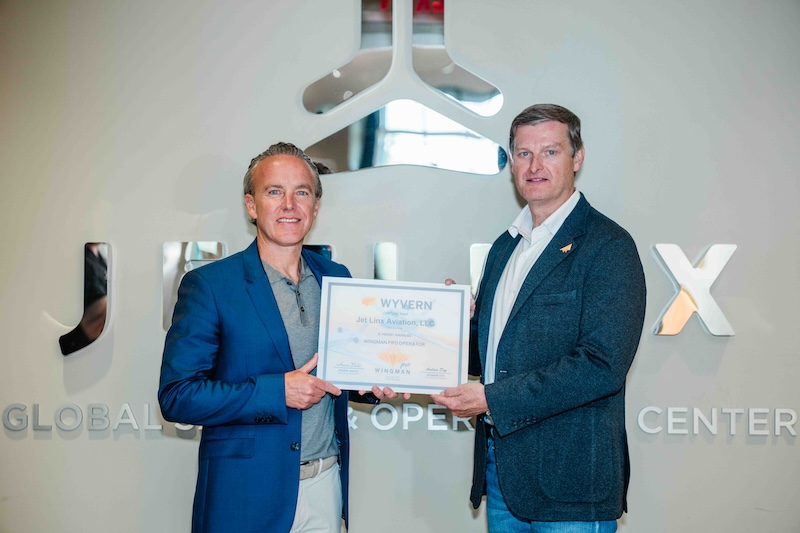
WYVERN Wingman Pro Rating Recertified Before the Summit
Just days before the summit, Jet Linx successfully renewed their certification as a WYVERN Wingman PRO Certified Operator for two more years, a designation that reflects our continued commitment to the aviation industry’s highest operational safety standards. Backed by our active participation in the WYVERN Flight Leader Program, along with quarterly monitoring and coaching, the designation underscores that safety at Jet Linx is not event-based. It is continuous, measured, and built into the way we operate.
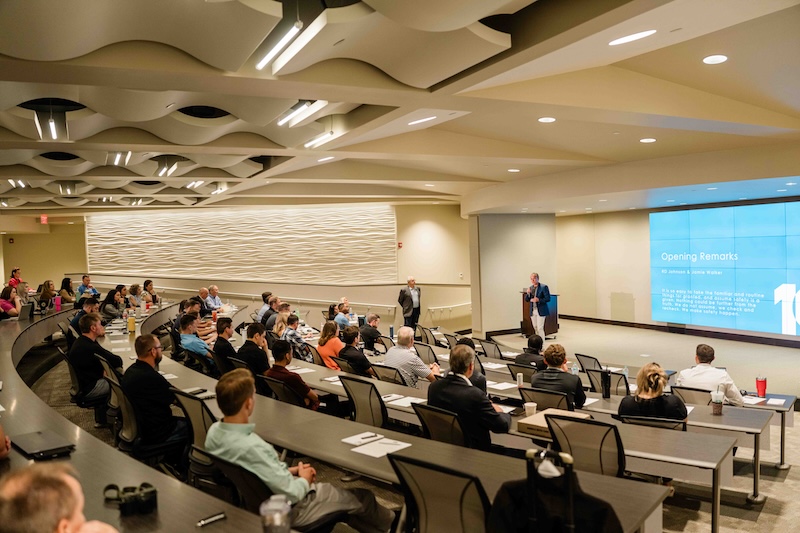
That context of the recertification flowed beautifully into the annual Safety Summit, where roughly 500 employees from across the country committed to a day of private jet safety review and discussion. Protecting a record of 200 million miles flown and 27 years of accident-free operations gave the annual safety summit more than ceremonial importance. Rather than celebrate a spotless business aviation safety record, it was a time to scrutinize and strengthen the safety management system across the company.
Safety Always, Not Safety First
One of the clearest messages to emerge from the day was that safety at Jet Linx does not begin and end with pilots. It extends across the entire organization, from the cockpit and our Base teams to maintenance, finance, IT, and the professionals behind the scenes at GSOC in Omaha, whose decisions, systems, and attention to detail shape every flight.
That idea surfaced repeatedly throughout the program. The day opened with remarks from RD Johnson, VP of Safety, and Jamie Walker, Executive Chairman, followed by a session led by the Safety Team that established the through-line for everything that followed: safety is everybody’s responsibility, and strong safety management systems only work when people across the organization are fully engaged in them.
That belief also gave the annual safety summit broader significance. We were reaffirming a culture designed to go beyond FAA minimums and beyond the standards that too often define the floor instead of the goal.
A Stark Reminder of Why Safety Matters
The keynote session was led by Barry Ellis, President and CEO of Hop-A-Jet Worldwide Jet Charter, whose remarks gave the day its sharpest edge. Speaking from the experience of losing two crew members in a fatal 2024 accident in Naples, Florida, Ellis challenged the room to think harder about what hides beneath routine confidence.
One detail in particular landed with power: when the National Transportation Safety Board published its final report on the crash earlier this year, it cited undetected engine corrosion as the cause, despite the fact that the engines had been inspected, deemed airworthy, and completed 33 successful flights in the 25 days before the accident. The point was sobering. Risk sits quietly behind assumptions that have gone unchallenged.
Ellis captured that reality in one of the day’s strongest lines: “The most dangerous assumptions are often the ones we don’t realize we’re making.” He pushed the idea further: “When assumptions go unchallenged, they become invisible, and invisible risk is the most dangerous risk of all.”
He also articulated why a summit like this still mattered after 10 years. “Anyone can say safety comes first when the decision is easy,” Ellis said. “The real test comes when safety becomes expensive. The real test comes when safety creates disruption, and when safety conflicts with convenience.”
That message landed because we had already made the decision he was describing. We had halted operations company-wide to create room for the very kind of reflection, questioning, and education he was urging.
Private Jet Safety Grounded in Systems and People
Later, Maria Kelly, a business aviation safety professional, presented on the practical application of safety in business aviation, grounding the day in the kind of operational discipline and systems thinking that continue to shape modern aviation safety.
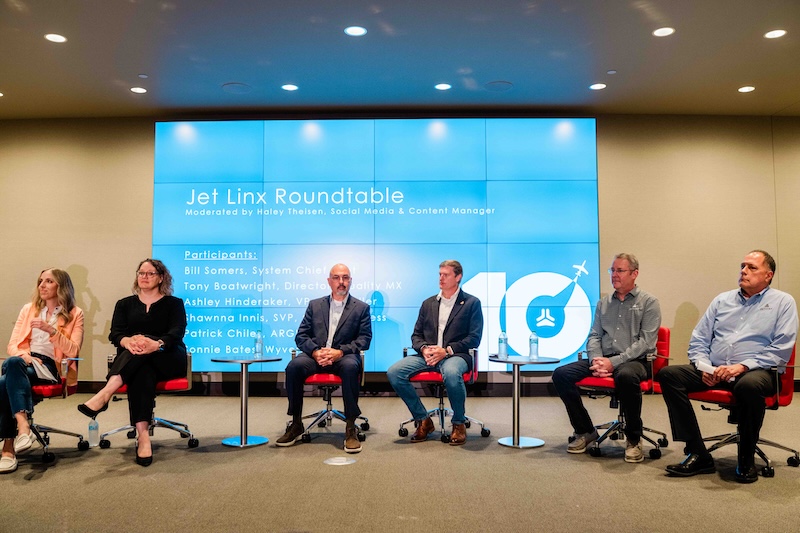
Our roundtable added another important dimension. Bringing together Bill Somers, System Chief Pilot, Tony Boatwright, Director of Quality Maintenance, Ashley Hinderaker, Controller, Shawnna Innis, SVP of Client Success, Patrick Chiles, VP of Business Aviation Auditing at ARGUS, and other outside safety voices, the discussion helped translate certifications, safety standards, and review processes into the practical realities of how a safety culture is maintained.
Technology, auditing, and predictive tools continue to improve visibility across aviation operations, but the summit returned again and again to a simpler truth: people remain at the heart of aviation safety. Tools can surface information. Systems can structure response. But judgment, accountability, communication, and culture still determine how that information is understood and acted on.
In that sense, the annual Safety Summit’s most important message was also its most human one: Safety is not about ratings or something we delegate to software, to a checklist, or to one department. It is something we expect every employee to carry.
Why Safety Matters More than Ever
For us, grounding the fleet is more than a headline, it’s a priority. In prior years, we noted that the annual stand-down carried an estimated revenue impact of more than $850,000, yet we continue to make that investment because safety culture means far more than any amount of revenue. We pause operations not because we have been forced to, but because we believe that is what safety requires. We want to be the safest operator in the aviation industry.
For Aircraft Owners and Jet Card Members, our commitment to safety is more than a talking point, it’s our promise to you.
To learn more about our safety management system, contact us.